
Doing less in psychoanalysis
A reflection on Rebecca Zlotowski's film "A Private Life"

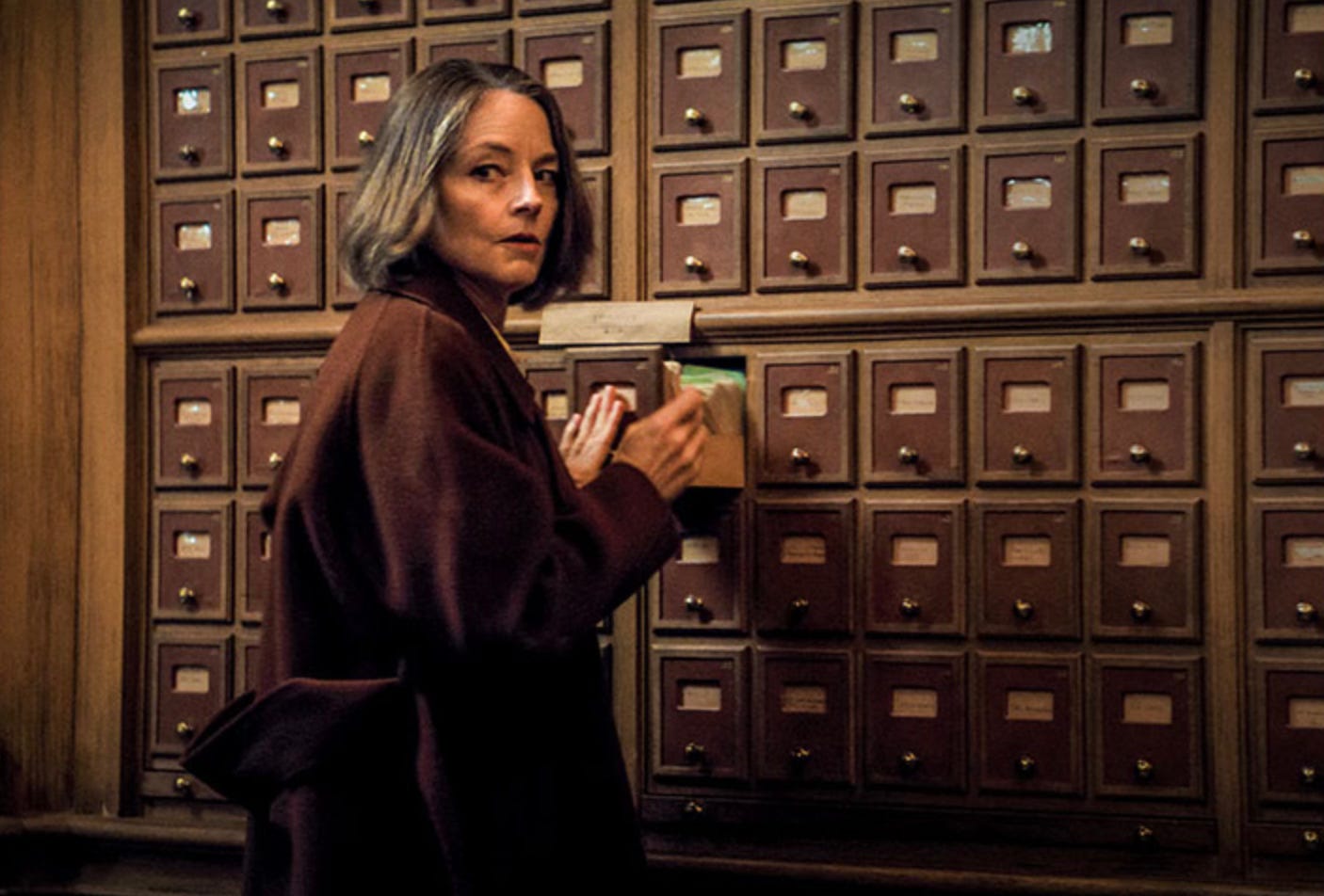
A psychoanalyst is not unlike a detective. We’re supposed to be able to know how to put the pieces together; how to identify the clues; how to bring the past and present together in a way that illuminates and thus eradicates a person’s problem, the problem that brought them to our couch in the first place.
At least, that’s what society thinks a psychoanalyst is supposed to do. But what if that’s not at all the role we really need to play? What if all that sleuthing actually takes us further from the truth that someone is speaking?
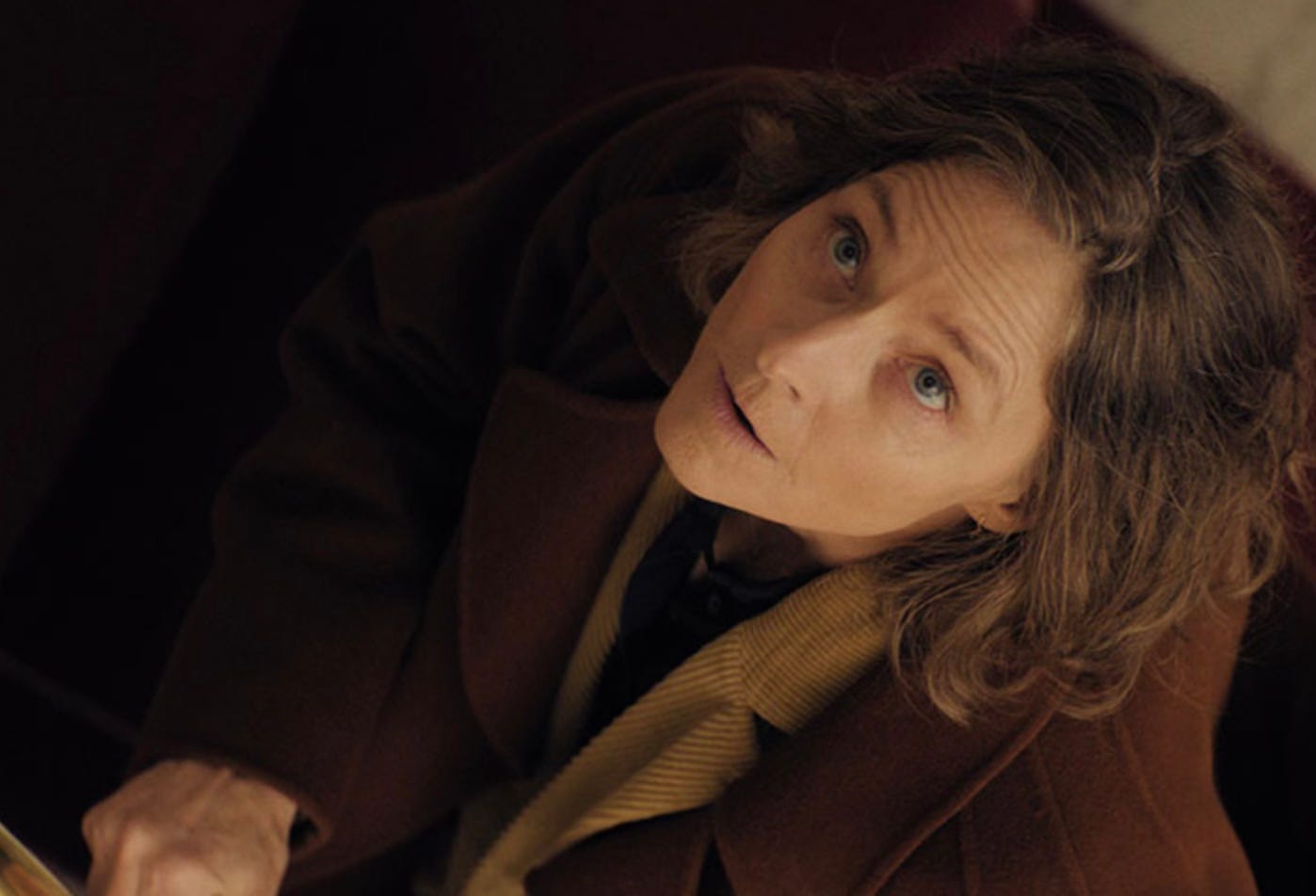
In Rebecca Zlotowski’s new film A Private Life, Jodie Foster’s psychiatrist-psychoanalyst character Lillian Steiner finds herself in a dilemma when suspicions spark over the death of one of her patients. As the film takes us on a Hitchcockian thrill ride through the analyst’s files, police stations, hypnosis, muddy backroads in the French countryside, and messy family dynamics, the pull to put the pieces together grows ever stronger. If we can figure out the answer to what went wrong and when, whose actions were the cause — whether those answers are found in a recording of the patient’s final session or in the past-life circumstances dredged up through hypnosis — perhaps we’ll be able to finally grieve a painful loss, gain perspective on why we’ve been a difficult partner or a parent who never apologizes to their son. “Tell me again how your mother died,” Lillian’s former analyst — a Winnicottian — asks when she comes to him for advice on her dilemma. But she slams that door — the one that opens onto the scene we’ve only seen distorted versions of during her hypnosis — as quickly as she can and leaves the building.
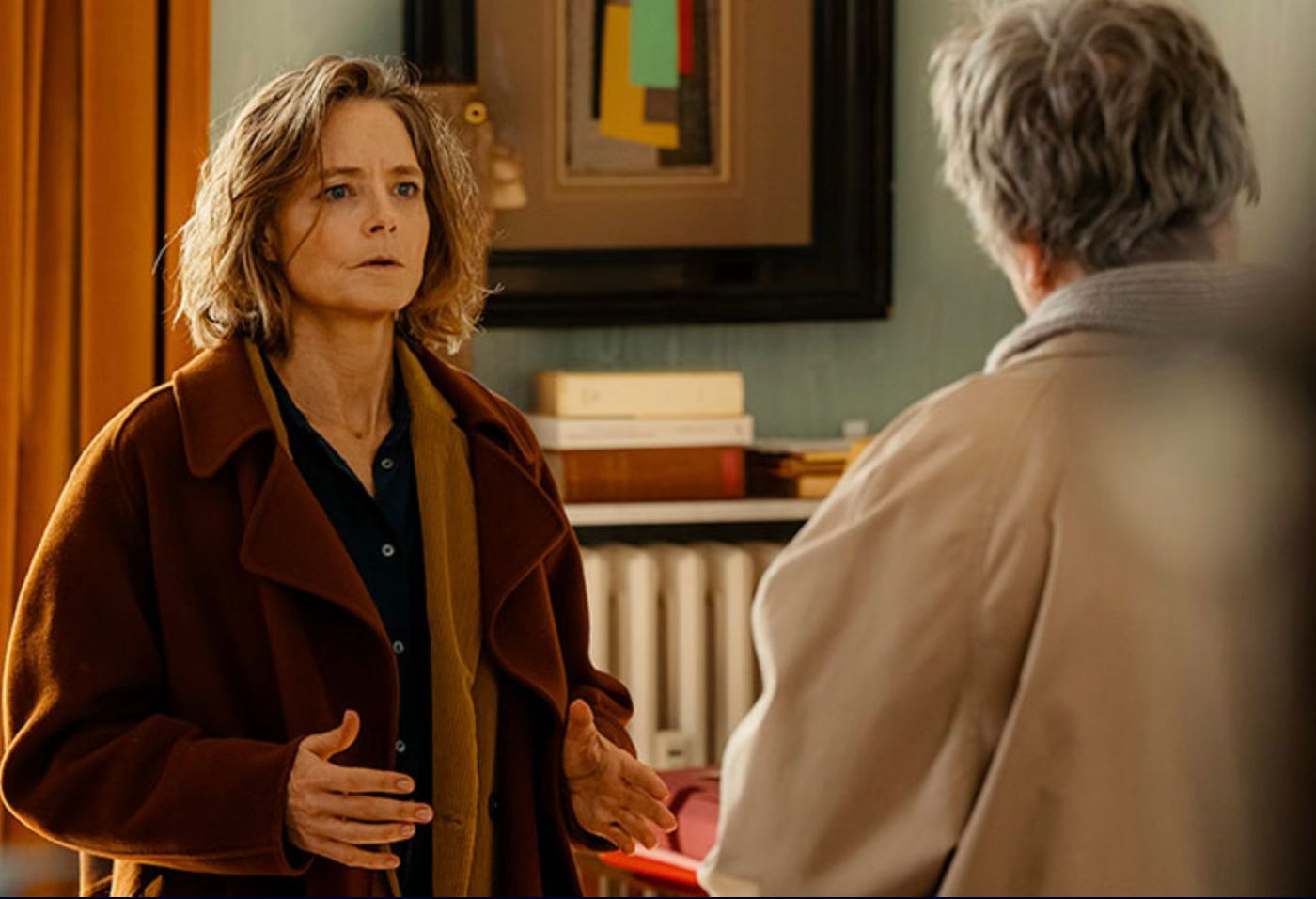
It’s tempting to seek answers from the past for a problem that’s plaguing our present. But often what we experience in analysis is that the persistent attempt to understand can be its own form of resistance. We might not need to know exactly how the mother died and its impact on her capacity to show up for her son in her new role as a grandmother in order to loosen up that knot and make the role more pliable, more livable. Sometimes, trying too hard to understand is exactly what blocks us from hearing what is actually being said. Sometimes we have to do less so we can experience more. We’ll be surprised when we start to really listen more; we’ll find out that people aren’t precisely who we thought they were or needed them to be. But if we can do that, if we can actually listen to a person’s speech instead of only appearing to listen, we may discover so much more than the limited space we allowed them to occupy.
great post naomi! i love the idea of doing less in psychoanalysis not just as an analyst but as an analysand. i think it can be very tempting to try to reach and push for solution, closure, meaning... when really that process is acting as a defence preventing you from getting anywhere close to understanding.